Kwa nini 65% ya maduka madogo ya mbao hutumia ruta za CNC?
Maduka madogo ya useremala yametumia vipanga njia vya CNC kwa haraka kwa sababu mashine hizi hupunguza muda wa uzalishaji kwa kiasi kikubwa, huondoa makosa ya mikono, na kuwezesha miundo tata ambayo hapo awali haikuwezekana kwa zana za kitamaduni. Teknolojia ya CNC imebadilika kutoka uwekezaji wa kifahari hadi faida muhimu ya ushindani kwa maduka ya kisasa.
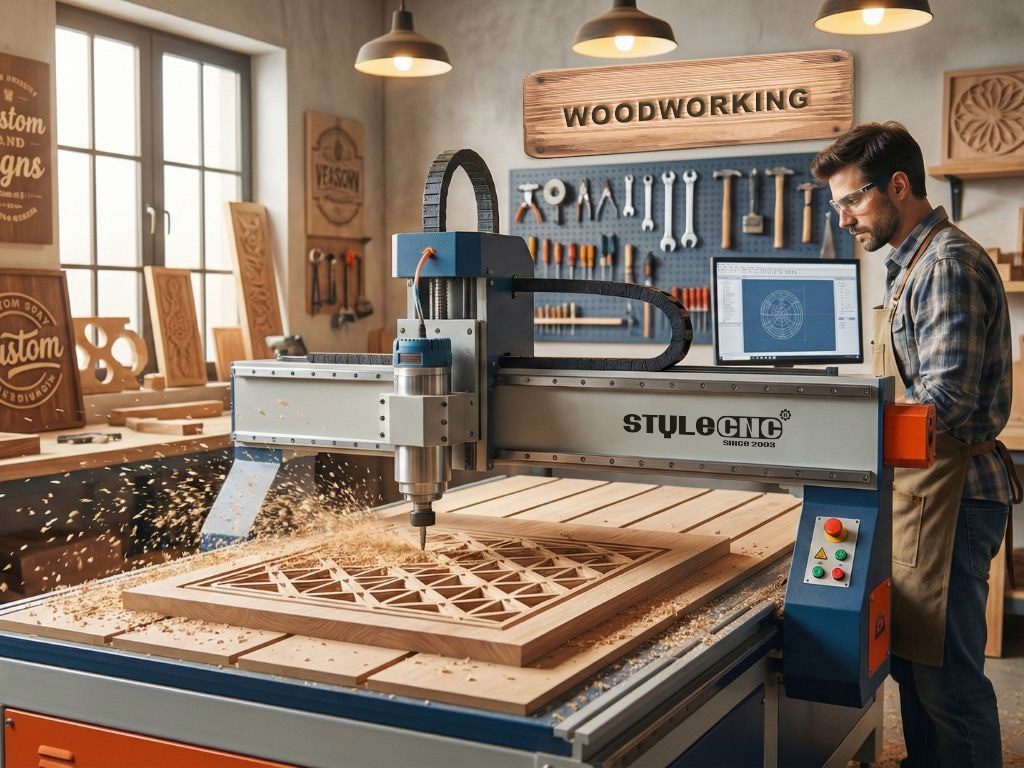
Mapinduzi ya Otomatiki katika Ufundi Mdogo wa Mbao
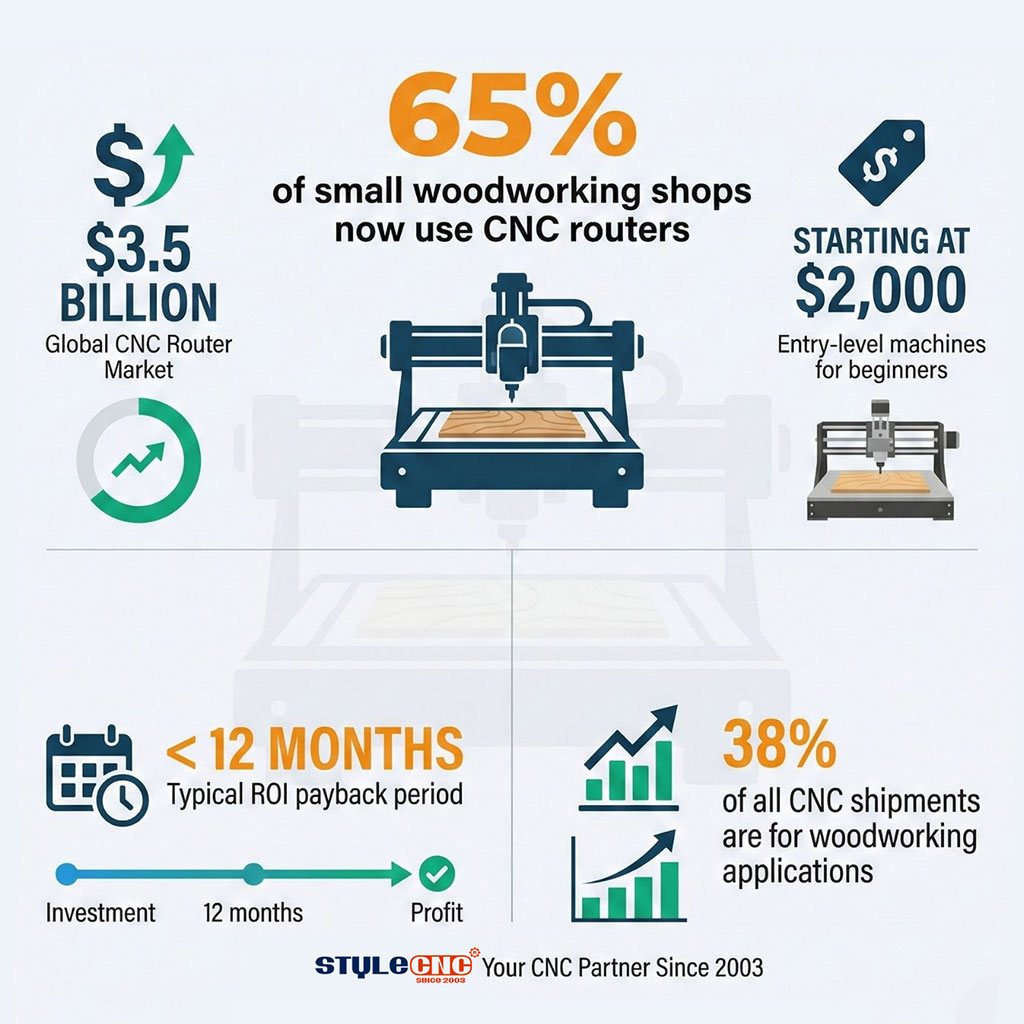
Sekta ya useremala inapitia mabadiliko makubwa. Uchambuzi wa soko unaonyesha kwamba takriban 65% ya maduka madogo ya useremala yanaendesha ruta za CNC, na kuashiria mabadiliko makubwa kutoka kwa michakato ya mikono hadi utengenezaji wa usahihi unaodhibitiwa na kompyuta.
Soko la kimataifa la kipanga njia cha CNC, lenye thamani ya $3bilioni 5, inaendelea kupanuka kwa kasi. Programu za useremala huchangia 38% ya usafirishaji wote wa ruta za CNC duniani kote, huku zaidi ya ruta 2,500 zikitumika mahsusi kwa ajili ya matumizi ya mbao na alama Amerika Kaskazini pekee.
Vikosi 3 Vinavyoendesha Uasilishaji
Kupunguza Gharama za Vifaa: Mashine za kiwango cha kuanzia sasa zinaanza saa $2,000-$6,000
Programu Inayofaa Mtumiaji: Vifurushi vya kisasa vya CAD/CAM vina violesura angavu
Mahitaji ya Bidhaa Maalum: Wateja wanazidi kupendelea vitu vilivyobinafsishwa na vilivyotengenezwa kwa usahihi
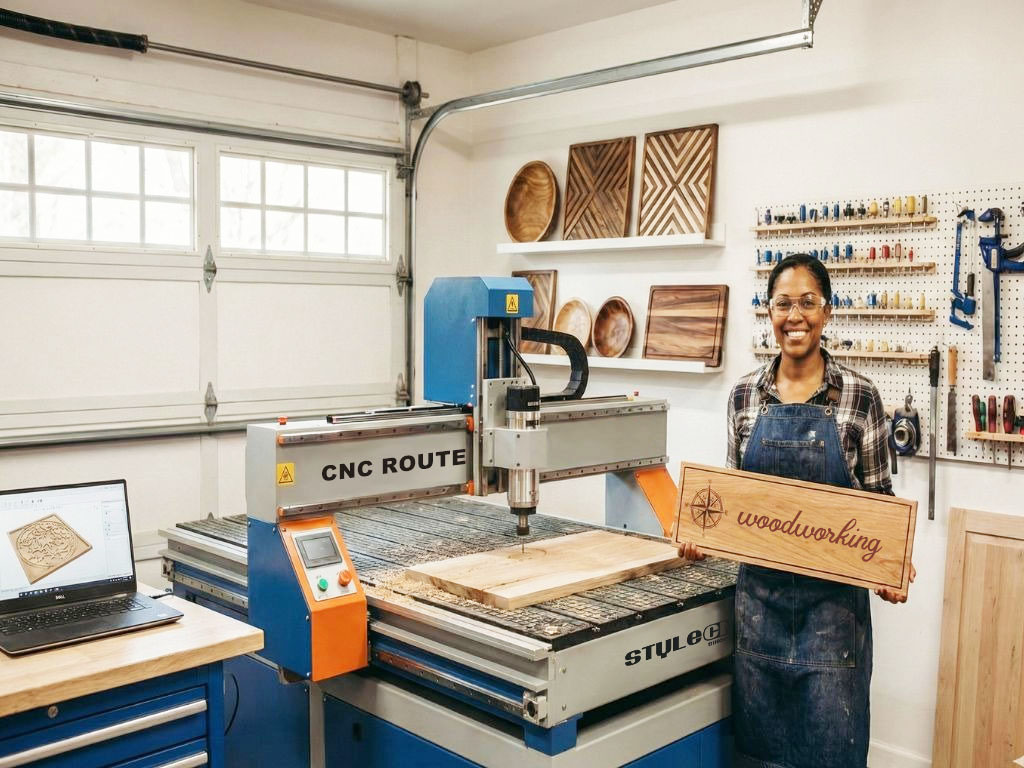
Kwa Nini Maduka Madogo Yanawekeza Katika Teknolojia ya CNC
Usahihi Ambao Mbinu za Mwongozo Haziwezi Kulinganishwa
Watumiaji wa kisasa wanatarajia usahihi na ubinafsishaji. Uchongaji wa mikono wa kitamaduni hauwezi kudumisha kiwango cha chini cha 0.1mm uwezo wa kurudia ambao mashine za CNC hutoa mara kwa mara katika mamia au maelfu ya vipande vinavyofanana.
Wateja wanapoagiza makabati maalum yenye vifaa vya kuunganisha au samani zenye mifumo tata ya kijiometri, Njia za mbao za CNC Tekeleza miundo hii kwa usahihi kamili kila wakati.
Faida za Kiuchumi
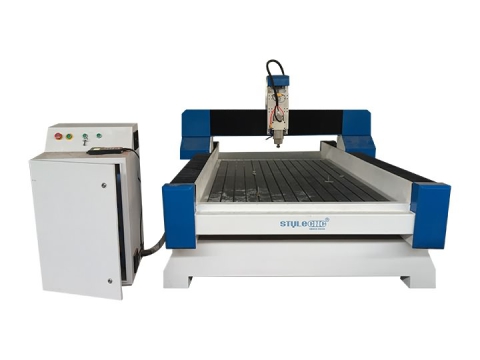
Kipanga njia cha CNC cha futi 4×8 cha masafa ya kati hugharimu kati ya $45,000 na $80,000. Hata hivyo, maduka yanaripoti mara kwa mara kwamba mwendeshaji mmoja anaweza kukamilisha kazi ambayo ingechukua watu 3 au 4 wanaofanya kazi na vifaa vya kitamaduni.
Kwa maduka ya utengenezaji wa makabati, utengenezaji wa viota hupunguza gharama za vifaa kwa kiasi kikubwa huku ukipunguza muda wa uzalishaji kwa kiasi kikubwa. Akiba hizi za pamoja hutoa faida ya haraka ya uwekezaji.
Soko la Waanzilishi Lisilotumika
Ingawa 65% ya maduka madogo ya useremala yaliyoanzishwa yametumia teknolojia ya CNC, masoko ya wanaoanza na wanaopenda sana useremala yanabaki kuwa na huduma duni sana. Hii inaunda fursa kubwa.
Vizuizi vya Kuingia Vinatoweka
| Bei ya Range | Aina ya mashine | Bora Kwa | Eneo la Kazi |
|---|---|---|---|
| $ 2,000- $ 6,000 | Eneo-kazi/Hobi | Waanzilishi, miradi midogo | 12"×12" hadi 24"×24" |
| $ 6,000- $ 15,000 | Mtaalamu wa Ngazi ya Kuingia | Biashara ya muda | 24"×48" hadi 48"×48" |
| $ 15,000- $ 35,000 | Mtaalamu wa Masafa ya Kati | Biashara ya muda wote | 48"×96" (4'×8') |
| $ 50,000 + | Viwanda | Uzalishaji wa kiwango cha juu | 60"×120" na kubwa zaidi |
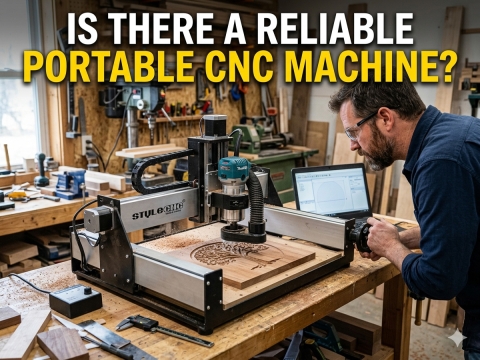
Kisasa vipanga njia vya CNC vya burudani zinaweza kushughulikia vifaa kuanzia mbao laini na plastiki hadi aina ngumu na hata metali nyepesi. Zinachukua nafasi ndogo ya sakafu, mara nyingi huwekwa kwenye benchi la kazi, na kuzifanya zifae kwa ajili ya warsha za nyumbani.
Mkondo wa Kujifunza Unadhibitika
Watumiaji watarajiwa mara nyingi hukadiria ugumu wa uendeshaji wa CNC kupita kiasi. Mchakato huu umegawanywa katika hatua 4 zinazoweza kudhibitiwa:
1. Awamu ya Kubuni: Unda au ingiza 2D/3D miundo kwa kutumia programu ya CAD.
2. Uundaji wa Njia ya Vifaa: Programu ya CAM hubadilisha miundo kuwa maagizo ya mashine.
3. Uendeshaji wa Mashine: Weka nyenzo, pakia programu, weka pointi sifuri.
4. Kumaliza: Mchanga, unganisha, na funika (hatua zinazojulikana za useremala wa mbao).
Watumiaji wenye uzoefu mara kwa mara huripoti kufikia uwezo wa msingi kwa mazoezi ya kawaida. Mbinu za hali ya juu kama vile Uelekezaji wa CNC wa mhimili 4 zinahitaji utaalamu zaidi, lakini wanaoanza wanaweza kutoa miradi yenye faida kabla ya kufahamu uwezo wa hali ya juu.
Maombi ya Faida Kubwa kwa Wanaoanza
Masoko Yanayopatikana Zaidi
Alama Maalum: Gharama za vifaa hubaki chini huku uwezekano wa kuongeza thamani ukibaki juu. Biashara, nyumba, na matukio huhitaji mabango ya mbao yaliyobinafsishwa kila mara.
Vipengele vya Samani: Maduka madogo ya CNC hutoa miguu, paneli, vipengele vya mapambo, na vipengele vya kuunganisha kwa ajili ya mafundi mbao wa kitamaduni ambao hawana vifaa vya CNC.
Uzalishaji wa Baraza la Mawaziri:Mifumo ya uzalishaji wa samani inaweza kukamilisha maagizo yote ya kabati bila kuingilia kati kwa mikono.
Fursa za Niche zenye Faida
• Uzalishaji wa Kombe na Tuzo: Mtiririko wa mapato unaoendelea bila ushindani mkubwa.
• Usanifu Millwork: Umbo maalum na paneli za mapambo huweka bei ya juu.
• Uundaji wa Mfano wa Bidhaa: Mabadiliko ya haraka kwa wavumbuzi na wazalishaji wadogo.
Maendeleo ya Teknolojia Yanawanufaisha Wanaoanza
Vibadili Zana Otomatiki (ATC)
Mabadiliko ya zana kwa mikono hutumia muda mwingi wa uzalishaji na yanahitaji ufuatiliaji wa mara kwa mara wa mwendeshaji. Hii inaweka kikomo kwa mashine kwa miradi rahisi zaidi kwa kutumia zana moja au mbili.
Vipanga njia vya ATC CNC Ubadilishaji kamili wa zana mara moja, na kuwezesha miradi tata inayohitaji zana 8-12 tofauti kufanya kazi bila usimamizi. Maduka yanaripoti ongezeko kubwa la tija baada ya kuboreshwa hadi mifumo ya ATC.
Uboreshaji wa Programu
Programu ya kisasa ya CNC ina maktaba za njia za zana zilizosanidiwa awali kwa shughuli za kawaida. Waanzilishi wanaweza kuchagua kutoka kwa mikakati iliyothibitishwa ya kukata, wakitumia ujuzi wa kitaalamu uliojengwa ndani ya programu.
Maktaba za usanifu zinazotegemea wingu hutoa maelfu ya miradi iliyo tayari kutengenezwa. Watumiaji wapya wanaweza kuanza kutoa bidhaa zinazoweza kuuzwa mara moja huku wakijifunza polepole kuunda miundo asilia.
Uchanganuzi wa Uwekezaji na ROI
Jumla ya Gharama za Kuanzisha Biashara
| Kitengo cha Uwekezaji | Kiwango cha gharama | Vidokezo |
|---|---|---|
| Mashine ya Njia ya CNC | $ 2,000- $ 35,000 | Inategemea ukubwa na uwezo |
| Programu ya CAD / CAM | $ 500- $ 3,000 | Leseni au usajili wa kudumu |
| Vipimo na Uundaji wa Viungio vya Kipanga njia | $ 500- $ 1,500 | Mkusanyiko wa awali |
| Ukusanyaji na Vifaa vya Vumbi | $ 1,000- $ 5,000 | Mifumo ya utupu, umiliki wa kazi |
| Jumla ya Uwekezaji wa Awali | $ 4,000- $ 44,500 | Hutofautiana kulingana na kiwango cha biashara |
Uwezo wa Mapato
Maduka yanayolenga kazi maalum zenye thamani kubwa mara nyingi hurejesha uwekezaji haraka kuliko yale yanayotafuta uzalishaji wa wingi. Mradi mmoja wa kuchonga mapambo unaweza kusababisha $5Faida ya 00-$2,000.
Maduka yenye uwezo mbalimbali, yakichanganya Uelekezaji wa mbao wa CNC Kwa kutumia useremala wa kitamaduni na umaliziaji, kwa kawaida hujenga biashara endelevu zaidi. Mashine inakuwa chombo kimoja katika mfumo kamili wa uzalishaji.
Kupanua Zaidi ya Mbao
Vipanga njia vingi vya CNC vilivyoboreshwa kwa mbao huchakata plastiki, mchanganyiko, na vifaa vya povu kwa mafanikio bila marekebisho mengi. Utofauti huu huwezesha maduka kuhudumia masoko mengi.
Mashine za CNC za chuma inawakilisha kategoria tofauti inayohitaji uwekezaji mkubwa zaidi. Baadhi ya waendeshaji hupanua kwa mafanikio katika kazi za chuma nyepesi (alumini, shaba) kadri ujuzi wao unavyokua.
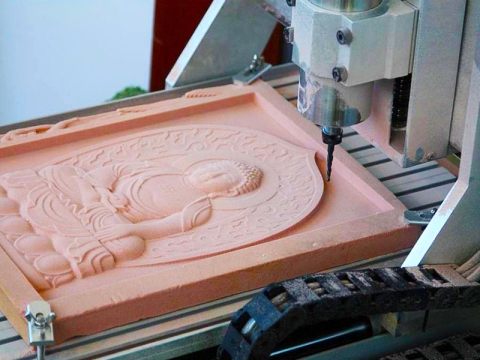
Mashine za kuchonga mawe Baadhi ya maduka ya useremala yana nafasi nyingine maalum. Baadhi ya maduka ya useremala hutofautiana katika mabamba ya ukumbusho na vipengele vya mawe ya usanifu.
Vipengele vya Mafanikio ya Kimkakati
Utafiti wa Soko Kwanza
Kabla ya kuwekeza katika vifaa, fanya utafiti wa kina katika masoko ya ndani na ya mtandaoni. Tambua maeneo maalum yasiyohudumiwa vizuri badala ya kujaribu kushindana kwa upana.
Duka linalobobea katika bidhaa maalum za ukumbusho wa wanyama kipenzi hukabiliwa na ushindani mdogo sana kuliko duka linalotoa mabango ya mbao ya kawaida.
Chambua soko lako lengwa kwa makini. Ni bei gani zinazofanya kazi katika eneo lako? Ni aina gani za kazi maalum ambazo washindani wa eneo lako huepuka? Wateja wanapata wapi kazi maalum za mbao kwa sasa?
Masoko ya mtandaoni kama Etsy hutoa akili muhimu ya soko. Tafuta bidhaa zinazofanana na unazopanga kuzalisha. Chunguza bei, mapitio ya wateja, na viwango vya mafanikio ya muuzaji. Utafiti huu unaonyesha mahitaji ya soko kabla ya kuwekeza mtaji.
Uwekezaji wa Elimu
Kozi za mtandaoni, programu za vyuo vya jamii, na vikao vya mafunzo vya watengenezaji hutoa misingi inayoharakisha uzalishaji wa awali na kusaidia kuepuka makosa ya gharama kubwa mapema.
Watengenezaji wengi hutoa mafunzo kamili kwa ununuzi wa vifaa. Tumia fursa ya programu hizi. Siku chache zinazotumika katika mafunzo sahihi mara nyingi huzuia wiki kadhaa za utatuzi wa matatizo unaokatisha tamaa.
Njia za YouTube na majukwaa ya mtandaoni hutoa elimu inayoendelea. Jumuiya ya CNC hushiriki kikamilifu mbinu, suluhisho, na mawazo ya mradi. Shirikiana na rasilimali hizi mara kwa mara.
Fikiria kuanza na programu ya CAD bila malipo ili kufanya mazoezi ya ujuzi wa usanifu kabla ya kununua vifaa. Mbinu hii inafafanua kama unafurahia mchakato wa usanifu na husaidia kutambua ni uwezo gani wa mashine unaohitaji.
Mbinu ya Ukuaji wa Ziada
Njia inayotegemeka zaidi inahusisha kuanza na vifaa vya kawaida, kukuza ujuzi na msingi wa wateja, kisha kuboresha kadri mapato yanavyohalalisha uwekezaji. Mbinu hii hupunguza hatari za kifedha.
Waendeshaji wengi waliofanikiwa walianza na mashine za mezani chini ya $5,000, walithibitisha dhana zao za biashara, kisha wakaboresha hadi vifaa vya kitaalamu mara tu vyanzo vya mapato vitakapokuwa endelevu.
Anza muda wa sehemu huku ukidumisha mapato mengine. Hii huondoa shinikizo la kupata faida ya haraka, ikiruhusu kuzingatia ukuzaji wa ujuzi na kazi bora inayojenga sifa.
Andika kila kitu unapojifunza. Ni miradi gani iliyothibitika kuwa na faida zaidi? Ni wateja gani waliotoa biashara ya kurudia? Ni ujuzi gani uliohitaji maendeleo marefu zaidi? Data hii inaongoza maamuzi ya upanuzi na uboreshaji wa vifaa.
Nguvu za Soko Zinazochochea Ukuaji
Uchumi wa Ubinafsishaji
Tabia ya watumiaji imebadilika kimsingi. Wanunuzi wa leo wanazidi kukataa bidhaa zinazozalishwa kwa wingi na zinazofanana badala ya bidhaa za kibinafsi zinazoakisi mtindo na mapendeleo ya mtu binafsi.
Mwelekeo huu huunda mazingira bora kwa shughuli ndogo za CNC. Watengenezaji wakubwa wana sifa ya kuzalisha mamilioni ya vitengo vinavyofanana lakini wanapambana na uzalishaji wa bei nafuu wa kibinafsi. Maduka madogo yenye vifaa vya CNC hujaza pengo hili kikamilifu.
Soko la samani maalum linaonyesha mabadiliko haya. Wanunuzi sasa wanatarajia chaguzi za vipimo, vifaa, umaliziaji, na maelezo ya muundo. Teknolojia ya CNC hufanya ubinafsishaji huo uwe na faida kiuchumi hata kwa uzalishaji wa kitengo kimoja.
Kushughulikia Uhaba wa Wafanyakazi Wenye Ujuzi
Sekta ya useremala inakabiliwa na changamoto kubwa huku mafundi wenye uzoefu wakistaafu. Njia za kitamaduni za uanagenzi zilizounda mafundi stadi wa useremala zimetoweka kwa kiasi kikubwa.
Teknolojia ya CNC inatoa suluhisho. Uundaji tata wa viungo, kazi sahihi ya vipimo, na uchongaji tata hazihitaji tena miongo kadhaa ya ustadi wa kutumia zana za mkono. Programu husimba ujuzi huu wa kitaalamu, na kuufanya upatikane kwa waendeshaji wenye ujuzi wa kiufundi badala ya usuli wa kitamaduni wa useremala.
Vyuo vya jamii na shule za ufundi vinatambua mabadiliko haya. Programu za CNC zinazidi kuonekana katika mitaala ya ufundi mbao, na kuunda kizazi kipya cha waendeshaji wanaofurahia muundo wa kidijitali na utengenezaji wa nyenzo.
Mazingatio ya Mazingira
Uendelevu huchochea maamuzi ya ununuzi kwa watumiaji na biashara nyingi. Uchongaji wa CNC unaunga mkono malengo ya mazingira kupitia ufanisi bora wa nyenzo.
Algorithm zilizoboreshwa za kuweka viota hupanga sehemu kwenye vifaa vya karatasi bila taka nyingi. Baadhi ya maduka yanaripoti kupungua kwa taka kwa 20-30% ikilinganishwa na mbinu za kitamaduni za kukata. Ufanisi huu unamaanisha moja kwa moja faida za kimazingira na akiba ya gharama.
Maduka yanayofikiria mambo ya mbele huuza uwezo wao wa CNC kama faida ya kimazingira, na kuwavutia wateja wanaojali mazingira walio tayari kulipa malipo kwa bidhaa zinazozalishwa kwa njia endelevu.
maswali yanayoulizwa mara kwa mara
Je, kipanga njia cha CNC kinafaa kwa duka dogo la useremala?
Ndiyo, kwa maduka mengi madogo. Vipanga njia vya CNC hutoa faida ya haraka kupitia kuongezeka kwa tija, kupungua kwa upotevu, na uwezo wa kuchukua miradi tata maalum. Maduka yanaripoti kwamba mwendeshaji mmoja mwenye CNC anaweza kukamilisha kazi ambayo ingehitaji watu 3 au 4 kwa kutumia mbinu za kitamaduni. Hata hivyo, mafanikio yanategemea kuwa na kazi thabiti inayohalalisha uwekezaji.
Kipanga njia kizuri cha CNC kinachoanza kinagharimu kiasi gani?
Gharama ya ruta za CNC za kiwango cha kuanzia $2,000-$6,000 kwa mifumo ya kompyuta ya mezani inayofaa kwa ajili ya kujifunza na miradi midogo. Kwa biashara kubwa ya muda, bajeti $6,000-$15,000. Shughuli za kitaalamu za muda wote kwa kawaida huhitaji $1Mashine 5,000-$35,000 zenye maeneo ya kazi ya 4'×8'. Jumla ya gharama za kuanzisha biashara ikijumuisha programu, vifaa, na vifaa, huanzia $4,000-$45,000 kulingana na kiwango cha biashara yako.
Je, nijenge kipanga njia changu cha CNC au ninunue kimoja?
Nunua moja kwa ajili ya mashine yako ya kwanza. Kujenga kipanga njia cha CNC kunahitaji ujuzi wa kiufundi, maarifa ya kielektroniki, na uwekezaji mkubwa wa muda. Waanzilishi wengi hunufaika zaidi kwa kununua mashine iliyo tayari kutumika yenye usaidizi wa mtengenezaji na dhamana. Fikiria kujenga tu ikiwa una uzoefu mkubwa na unachukulia mchakato wa ujenzi kama lengo la kujifunza lenyewe, si tu kuokoa gharama.
Ninahitaji programu gani kwa ajili ya uelekezaji wa CNC?
Unahitaji aina 2: CAD kwa ajili ya usanifu na CAM kwa ajili ya utengenezaji wa njia ya vifaa. Chaguo maarufu zinazofaa kwa wanaoanza ni pamoja na VCarve Pro, Easel Pro, na Fusion 360. Mashine nyingi za kiwango cha awali zinajumuisha vifurushi vya programu vya msingi. $500-$3,000 kwa programu, ingawa kuna chaguzi za bure kwa wanaopenda burudani.
Je, kipanga njia cha CNC kinaweza kukata alumini au mbao pekee?
Vipanga njia vingi vya CNC vinaweza kukata alumini kwa usanidi sahihi. Tafuta mashine zenye fremu ngumu, spindles zilizokadiriwa kuwa na kasi ya zaidi ya 18,000 RPM, na mifumo ya kutosha ya kupoeza. Vipanga njia vilivyoboreshwa kwa mbao kwa kawaida vinaweza kushughulikia metali laini kama vile alumini, shaba, na shaba kwa kutumia milipuko ya polepole na mikato nyepesi. Mashine maalum za chuma zinahitajika kwa chuma na vifaa vigumu.
Inachukua muda gani kujifunza uendeshaji wa kipanga njia cha CNC?
Ustadi wa kimsingi kwa kawaida huhitaji mazoezi ya mara kwa mara kwa wiki kadhaa. Waanzilishi wengi wanaweza kukamilisha miradi yao rahisi ya kwanza ndani ya siku chache baada ya kusanidi. Mkondo wa kujifunza una hatua 4: misingi ya usanifu, uundaji wa njia ya zana, uendeshaji wa mashine, na uboreshaji. Uendeshaji wa mashine yenyewe ni rahisi; ujuzi wa usanifu na njia ya zana huongezeka baada ya muda kulingana na mazoezi.
Ni kipanga njia gani cha CNC cha ukubwa bora kwa biashara ndogo?
Eneo la kazi la 4'×8' (48"×96") ndilo kiwango cha sekta kwa biashara ndogo ndogo. Ukubwa huu hutoshea karatasi kamili za plywood na vipengele vingi vya makabati. Hata hivyo, maduka yenye nafasi ndogo yanaweza kufanikiwa na mashine za 2'×4' au 3'×3' kwa kuzingatia miradi midogo kama vile mabango, mabamba, na sehemu za vipengele badala ya makabati ya karatasi nzima.
Ninawezaje kupata pesa kwa kutumia kipanga njia cha CNC?
Zingatia kazi maalum zenye thamani kubwa na uanzishe utaalamu maalum. Njia zenye faida ni pamoja na mabango maalum ($50-$500 kwa kila mradi), vipengele vya fanicha kwa ajili ya mafundi wengine wa mbao, kazi za usanifu, utengenezaji wa nyara, na uundaji wa mifano ya bidhaa. Changanya uwezo wa CNC na huduma za kitamaduni za ufundi wa mbao kwa mapato endelevu zaidi. Waendeshaji wengi hutumia masoko ya mtandaoni kama Etsy kuwafikia wateja zaidi ya eneo lao.
Fursa ya Mwanzoni
Muunganiko wa teknolojia inayopatikana kwa urahisi, mahitaji yanayoongezeka ya soko, na mapendeleo yanayobadilika ya watumiaji hutoa fursa halisi kwa wageni kuanzisha shughuli zenye faida za useremala wa CNC.
Waanzilishi hunufaika na masoko ya vifaa vilivyokomaa yanayotoa chaguzi mbalimbali kwa bei mbalimbali, minyororo ya usambazaji iliyoanzishwa kwa ajili ya vifaa na vifaa, rasilimali nyingi za kielimu, na jumuiya zinazostawi mtandaoni zinazotoa usaidizi.
At STYLECNC, tunaelewa changamoto zinazowakabili wanaoanza wanapoingia katika tasnia ya useremala wa CNC. Kwa zaidi ya miongo 2 ya uzoefu wa utengenezaji unaowahudumia wateja katika nchi zaidi ya 180, tunatoa suluhisho kamili zilizoundwa kwa kila kiwango cha ujuzi. Kuanzia ngazi ya kwanza mashine za burudani kamili kwa ajili ya kujifunza ufundi hadi kitaaluma ruta za viwandani Imeundwa kwa ajili ya uzalishaji wa wingi, safu yetu ya vifaa inasaidia safari yako ya ukuaji kutoka mradi wa kwanza hadi biashara inayostawi.